Randomized trial shows conversational AI adjunct to nurse education reduced complications and anxiety in older surgical patients
AI-summarized from the linked source. Educational brief, not medical advice.
Brief summary
In a randomized controlled trial of 214 older adults undergoing major abdominal surgery, supplementing traditional nurse-led preoperative teaching with an interactive chatbot significantly reduced postoperative complications at 24 hours, 48 hours, and 30 days while lowering anxiety.
What NurseJet pulled from the source
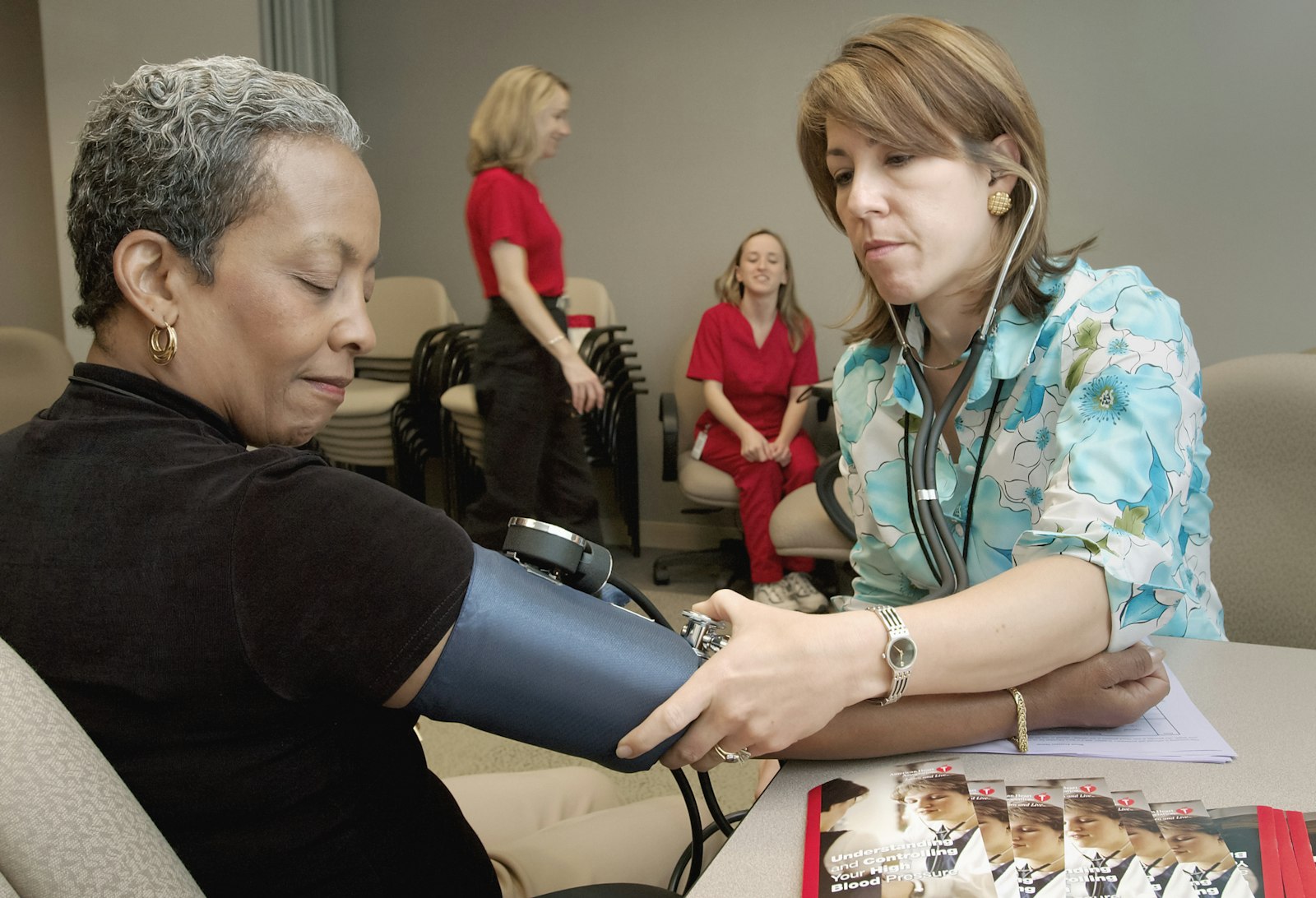
Older surgical patients frequently encounter cognitive load and memory challenges during standard preoperative consultations, impeding adherence to pulmonary hygiene and early mobilization. In this trial (NCT06624995), 214 older adult patients undergoing elective major abdominal surgery were randomized to receive either traditional nurse-led education alone (TN-E) or TN-E combined with an interactive education chatbot (PreventCombot). Compared with nurse teaching alone, patients using the chatbot adjunct experienced significantly fewer postoperative complications at 24 hours, 48 hours, and 30 days (all p < 0.05). Additionally, the chatbot group demonstrated significantly lower anxiety scores (p < 0.001) and superior physical and mental health-related quality of life scores (p < 0.001) postoperatively.
Why this matters for nurses
Older adults undergoing major visceral procedures are at heightened risk for delirium, atelectasis, surgical site infections, and delayed functional recovery. While bedside nurses provide thorough discharge and preoperative instructions, elderly patients often retain only a fraction of verbal instructions given under stress. Demonstrating that an intuitive digital chatbot reinforces nurse teaching and objectively curbs complications supports digital health integration in geriatric surgical pathways.
Bedside takeaway
In 214 older abdominal surgery patients, adding interactive chatbot education to nurse teaching significantly lowered complications and anxiety across 30 days.
Key takeaways
- Randomized controlled trial enrolled 214 older adults undergoing elective major abdominal (visceral) surgery.
- Participants were randomized to traditional nurse-led preoperative education alone or nurse education plus an interactive chatbot (PreventCombot).
- Chatbot group experienced significantly fewer postoperative complications at 24 hours, 48 hours, and 30 days (p < 0.05).
- Patients receiving chatbot education had significantly reduced anxiety (p < 0.001) and higher physical and mental quality-of-life scores (p < 0.001).
Practice implications
- Integrate interactive teach-back methods and multimedia or digital reinforcement when preparing older adults for major surgery. Ensure preoperative teaching clearly reviews incentive spirometry, splinted coughing, and early post-op ambulation milestones, offering family members access to written or digital instructions to reinforce adherence.
Limitations & cautions
- Single-center trial in elective abdominal surgery; results may not generalize to emergent procedures or patients with severe cognitive impairment unable to interact with digital interfaces.
- AI-summarized from the linked source. Review the original article before applying to practice.
Citations
Exact source links
Public citations are filtered to exact credible source pages. Homepage-only or invalid links stay in admin review and are not shown here.
Geriatric Nursing (PubMed)
Geriatric Nursing (PubMed). Traditional nurse-led vs chatbot education for older adults in postoperative complication prevention after major visceral surgery: A randomized controlled trial.
https://pubmed.ncbi.nlm.nih.gov/42365771/
Professional education only