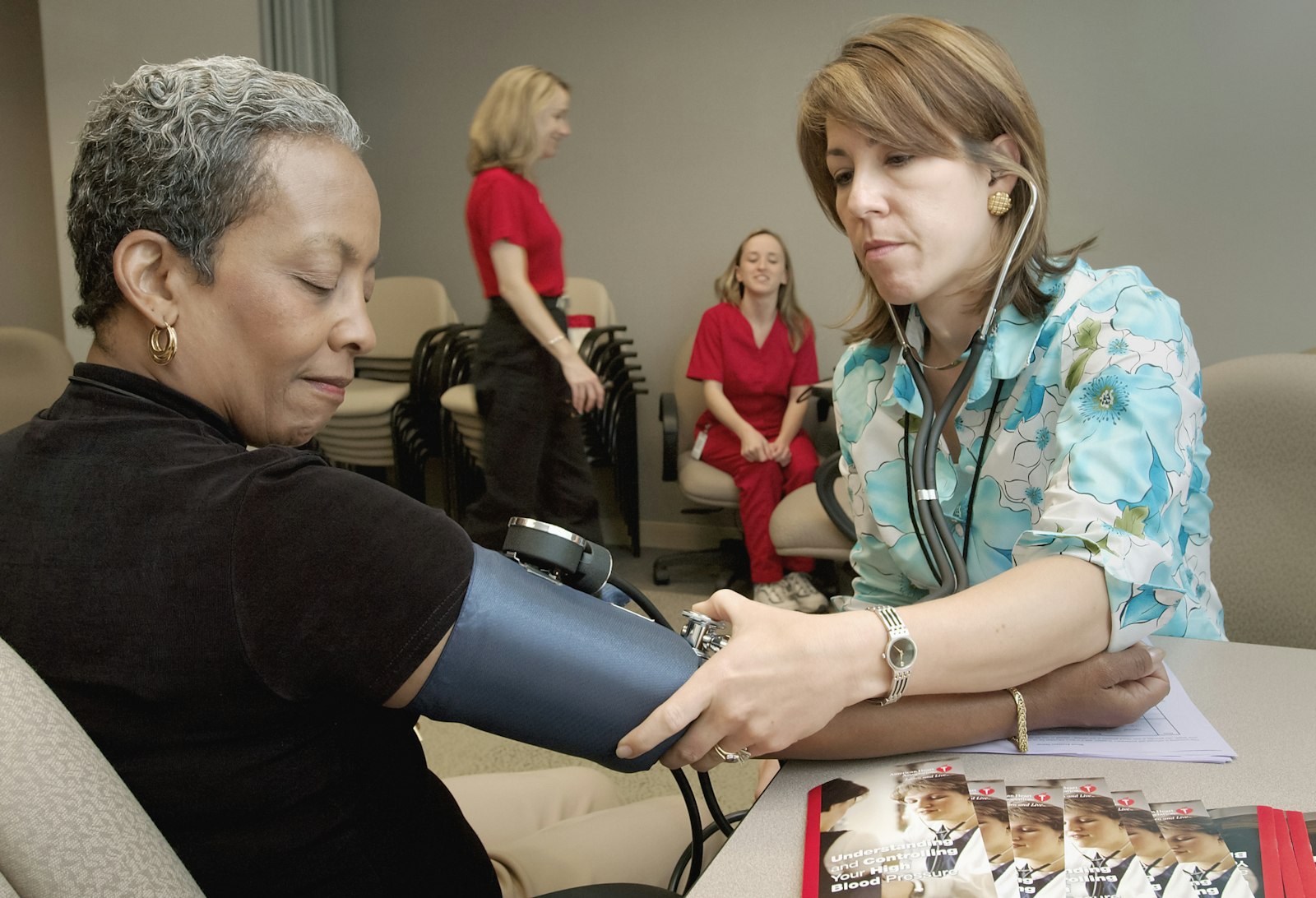

Nurse-led case management produced little clear change in major outcomes for older adults at home
AI-summarized from the linked source. Educational brief, not medical advice.
Brief summary
A review of 15 randomized trials found very uncertain evidence for whether nurse-led case management changes institutionalization, hospital admission, or mortality among community-dwelling older adults.
What NurseJet pulled from the source
The review included 7,995 older adults with frailty or risk of functional impairment. Pooled estimates suggested little to no difference in institutionalization, hospital admissions, or mortality, all with very low-certainty evidence; physical quality of life improved slightly (SMD 0.08, 95% CI 0.00-0.15) with moderate-certainty evidence, but the clinical importance was uncertain.
Why this matters for nurses
Care coordination is often judged only by admissions or placement. This review suggests nurses and leaders should also measure outcomes older adults feel directly, while remaining honest that major utilization and survival benefits are not established.
Bedside takeaway
Track patient-reported quality of life and continuity alongside admissions; major outcome benefits remain uncertain.
How This Applies in Practice
Use this when: Planning or evaluating nurse-led case management for a community-dwelling older adult with frailty or functional risk.
On your shift
- Record the older adult's goals, function, physical and mental quality of life, and barriers to following the care plan.
- Track continuity, emergency visits, admissions, and days at home without treating any one measure as the complete outcome.
- Coordinate unresolved medication, mobility, caregiver, and follow-up needs through the established interdisciplinary pathway.
Key takeaways
- Fifteen randomized trials with 7,995 community-dwelling older adults were included.
- Evidence for institutionalization, hospital admissions, and mortality was very low certainty.
- Nurse-led case management probably produced a slight improvement in physical quality of life.
- The authors recommend evaluating patient-reported outcomes alongside healthcare utilization.
Practice implications
- When participating in community case management, document the patient's own goals, function, quality of life, access barriers, and continuity needs in addition to emergency visits and admissions. Do not promise that coordination alone will prevent hospitalization or institutionalization.
Limitations & cautions
- Certainty was very low for the major utilization and mortality outcomes, and the physical quality-of-life improvement was small with uncertain clinical importance. Programs and populations varied, so the review does not identify one case-management model that should be adopted universally.
- AI-summarized from the linked source. Review the original article before applying to practice.
Citations
Exact source links
Public citations are filtered to exact credible source pages. Homepage-only or invalid links stay in admin review and are not shown here.
International journal of older people nursing (PubMed)
International journal of older people nursing (PubMed). Effectiveness of Nurse-Led Case Management in Community Settings Among Older Adults: A Systematic Review and Meta-Analysis.
https://pubmed.ncbi.nlm.nih.gov/42675567/
Professional education only