Objective inspiratory-flow testing may refine inhaler choice in COPD
AI-summarized from the linked source. Educational brief, not medical advice.
Brief summary
A multicenter cross-sectional study found most stable patients with COPD using pressurized metered-dose inhalers and spacers generated at least 30 L/min against medium-high resistance, while fewer reached 60 L/min.
What NurseJet pulled from the source
Among 273 patients across 70 Spanish centers, 96.0% achieved peak inspiratory flow of at least 30 L/min at medium-high resistance and 61.9% reached at least 60 L/min. Spacer prescribing was seldom based on objective flow assessment, and most participants reported practical limitations with spacers.
Why this matters for nurses
Device mismatch and technique problems can undermine inhaled therapy. Nurses can identify practical barriers, observe technique, and communicate when objective inspiratory-flow assessment or a device review may be appropriate.
Bedside takeaway
Observe inhaler technique and practical barriers; request objective flow or device review when the prescribed system is not working well.
How This Applies in Practice
Use this when: Reviewing inhaler technique or device fit for a clinically stable patient with COPD who uses a pMDI and spacer.
On your shift
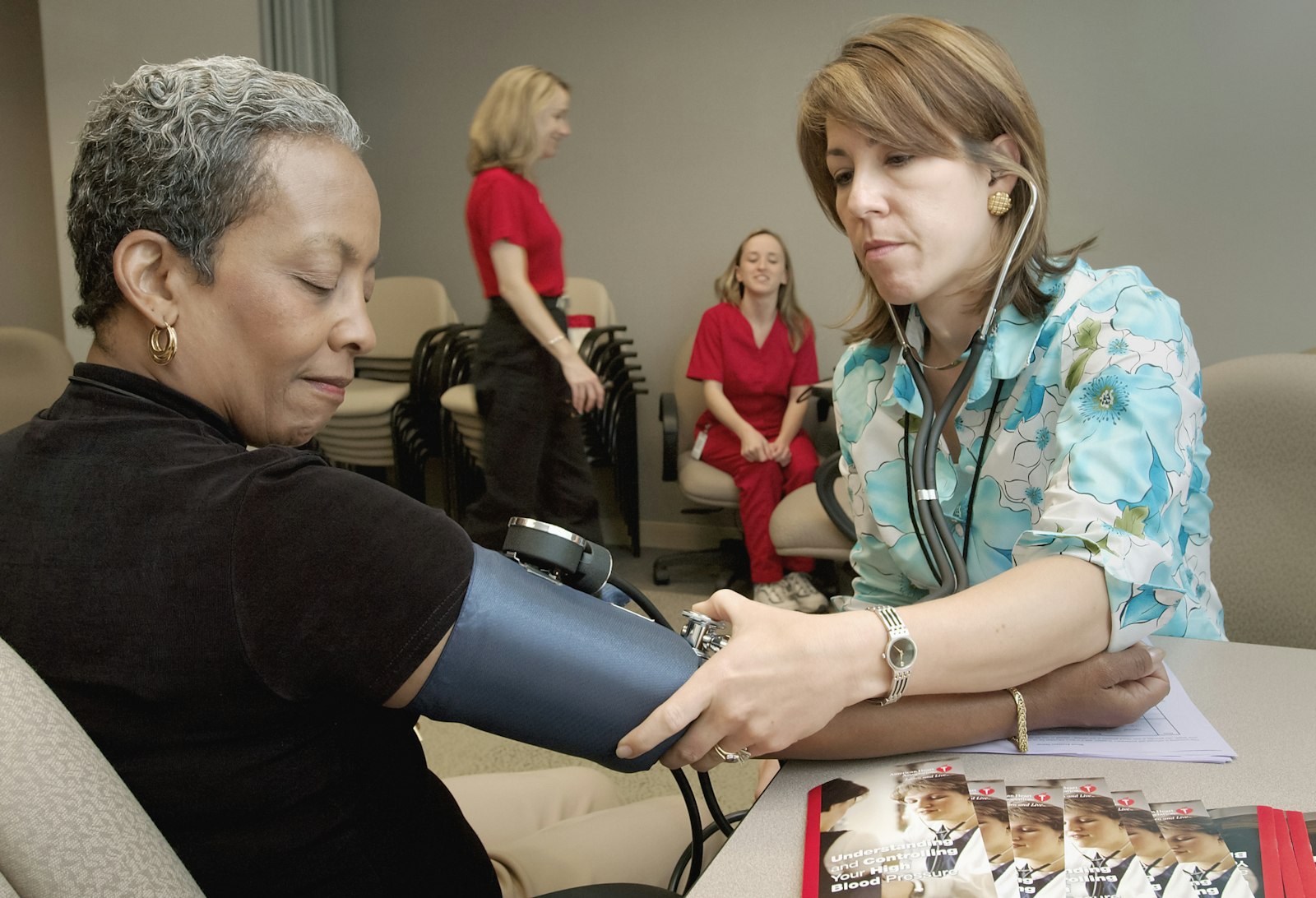
- Observe the complete inhaler-and-spacer sequence, including exhalation, actuation-breath coordination, inhalation, and breath hold.
- Ask about dyspnea, hand function, cognition, cleaning, portability, satisfaction, and other barriers to correct use.
- Request respiratory-therapy or prescribing-team review when technique remains ineffective or objective inspiratory-flow testing may inform device choice.
Key takeaways
- The study measured peak inspiratory flow in 273 clinically stable patients treated with a pMDI and spacer.
- At medium-high resistance, 96.0% reached at least 30 L/min and 61.9% reached at least 60 L/min.
- Lower inspiratory flow was associated with greater dyspnea and more severe airflow limitation in bivariate analyses.
- The findings support individualized assessment rather than assuming that spacer use reflects inadequate inspiratory capacity.
Practice implications
- Ask the patient to demonstrate the prescribed inhaler and spacer, assess coordination and full exhalation, and document dyspnea and device barriers. If technique remains ineffective or the device is burdensome, request respiratory or prescribing-team review rather than switching devices independently.
Limitations & cautions
- This cross-sectional study involved clinically stable patients already using pMDIs with spacers and did not compare clinical outcomes after device changes. Thresholds depend on device resistance, and multiple authors reported industry relationships, including manuscript support from Orion.
- AI-summarized from the linked source. Review the original article before applying to practice.
Citations
Exact source links
Public citations are filtered to exact credible source pages. Homepage-only or invalid links stay in admin review and are not shown here.
International journal of chronic obstructive pulmonary disease (PubMed)
International journal of chronic obstructive pulmonary disease (PubMed). Peak Inspiratory Flow in COPD Patients Treated with Pressurized Metered-Dose Inhalers and Spacers: Implications for Inhaler Selection. A Multicenter Cross-Sectional Study.
https://pubmed.ncbi.nlm.nih.gov/42668822/
Professional education only