Individualized blood-pressure control did not improve 90-day outcomes during stroke thrombectomy
AI-summarized from the linked source. Educational brief, not medical advice.
Brief summary
In the 433-patient DETERMINE trial, maintaining mean arterial pressure within 10% of the pre-thrombectomy value did not improve favorable 90-day functional outcomes compared with a standard systolic target during mechanical thrombectomy.
What NurseJet pulled from the source
Favorable modified Rankin Scale outcomes occurred in 44.2% with individualized control and 48.8% with standard control, for an adjusted odds ratio of 0.82 with a 95% confidence interval from 0.54 to 1.24. The groups did not achieve meaningful separation in blood-pressure levels or variability during the procedure, and safety outcomes were similar.
Why this matters for nurses
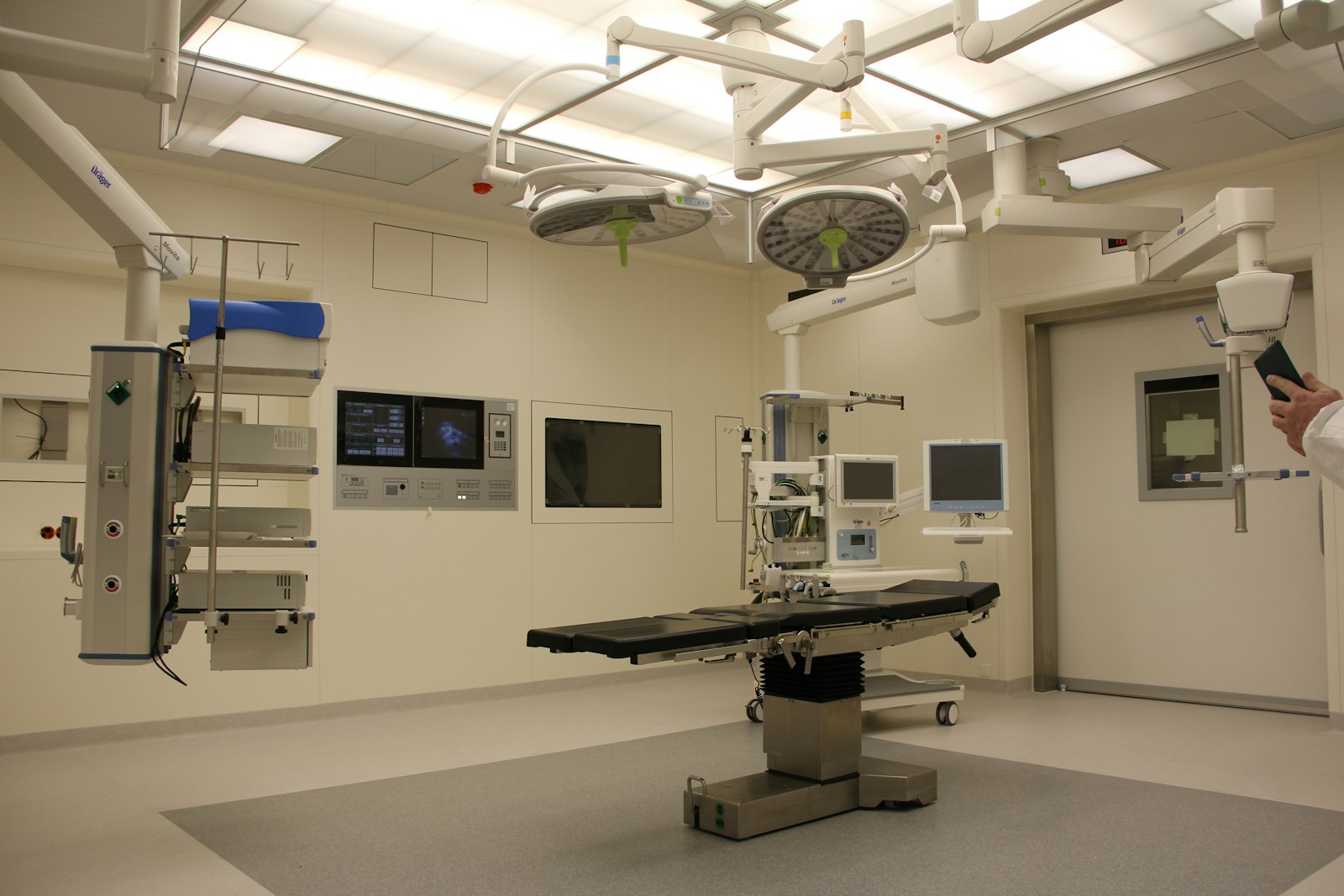
Stroke and emergency nurses monitor hemodynamics during time-critical reperfusion care and coordinate rapid response to neurological or procedural change. The trial does not support assuming that this individualized target improves outcomes and highlights the importance of reliably implementing the ordered target.
Bedside takeaway
Use the ordered thrombectomy blood-pressure protocol; this individualized target did not improve 90-day function in DETERMINE.
How This Applies in Practice
Use this when: Monitoring an adult with anterior-circulation large-vessel occlusion during mechanical thrombectomy.
On your shift
- Confirm the procedural blood-pressure range, baseline value used by the team, vasoactive instructions, measurement method, and escalation thresholds before thrombectomy begins.
- Trend blood pressure with medication changes, anesthesia events, reperfusion timing, and neurological findings, and document sustained deviations from the ordered range.
- Escalate hypotension, severe hypertension, abrupt hemodynamic change, or neurological deterioration through the stroke and procedural pathway.
Key takeaways
- The multicenter open-label, blinded-endpoint trial randomized 433 adults with anterior-circulation large-vessel occlusion at eight stroke centers.
- Individualized management targeted mean arterial pressure within 10% of the first pre-thrombectomy measurement; standard management targeted systolic pressure from 140 to 180 mm Hg.
- Favorable 90-day function occurred in 44.2% and 48.8% of participants, respectively, without a statistically significant difference.
- Mortality and symptomatic intracranial hemorrhage did not differ significantly between groups.
Practice implications
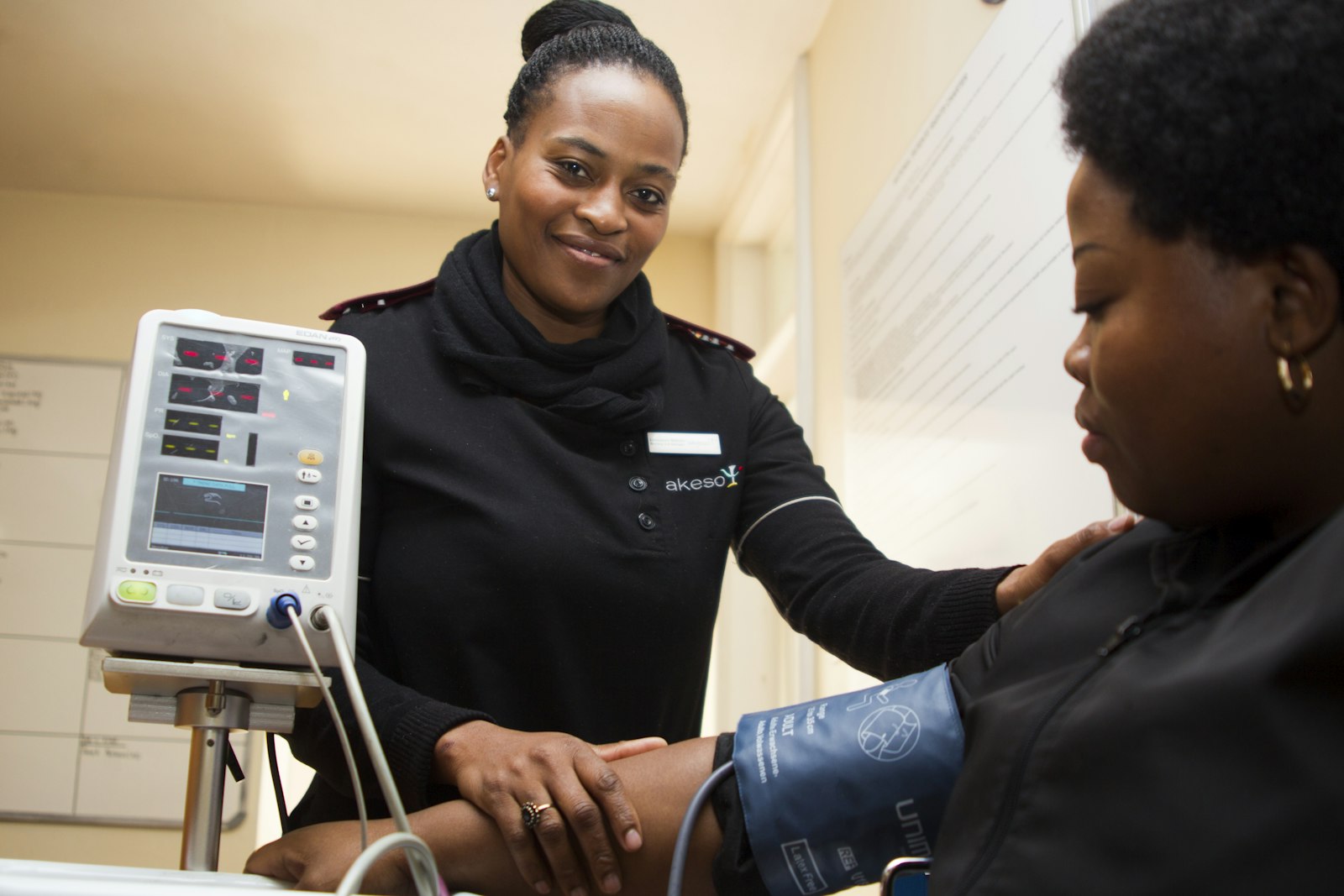
- During thrombectomy care, verify the prescribed blood-pressure target and vasoactive plan, use correctly sized and positioned monitoring equipment, and document readings alongside medications and procedural events. Escalate sustained deviation, hypotension, hypertension, or neurological deterioration promptly.
Limitations & cautions
- The open-label trial was conducted at eight French academic stroke centers, and the groups had similar achieved blood-pressure levels and variability, limiting separation between strategies. It studied anterior large-vessel occlusion during thrombectomy and does not define targets before or after the procedure or for other stroke populations.
- AI-summarized from the linked source. Review the original article before applying to practice.
Citations
Exact source links
Public citations are filtered to exact credible source pages. Homepage-only or invalid links stay in admin review and are not shown here.
Neurology (PubMed)
Neurology (PubMed). Individualized vs Standard Blood Pressure Control During Thrombectomy for Ischemic Stroke: The DETERMINE Randomized Clinical Trial.
https://pubmed.ncbi.nlm.nih.gov/42585603/
Professional education only