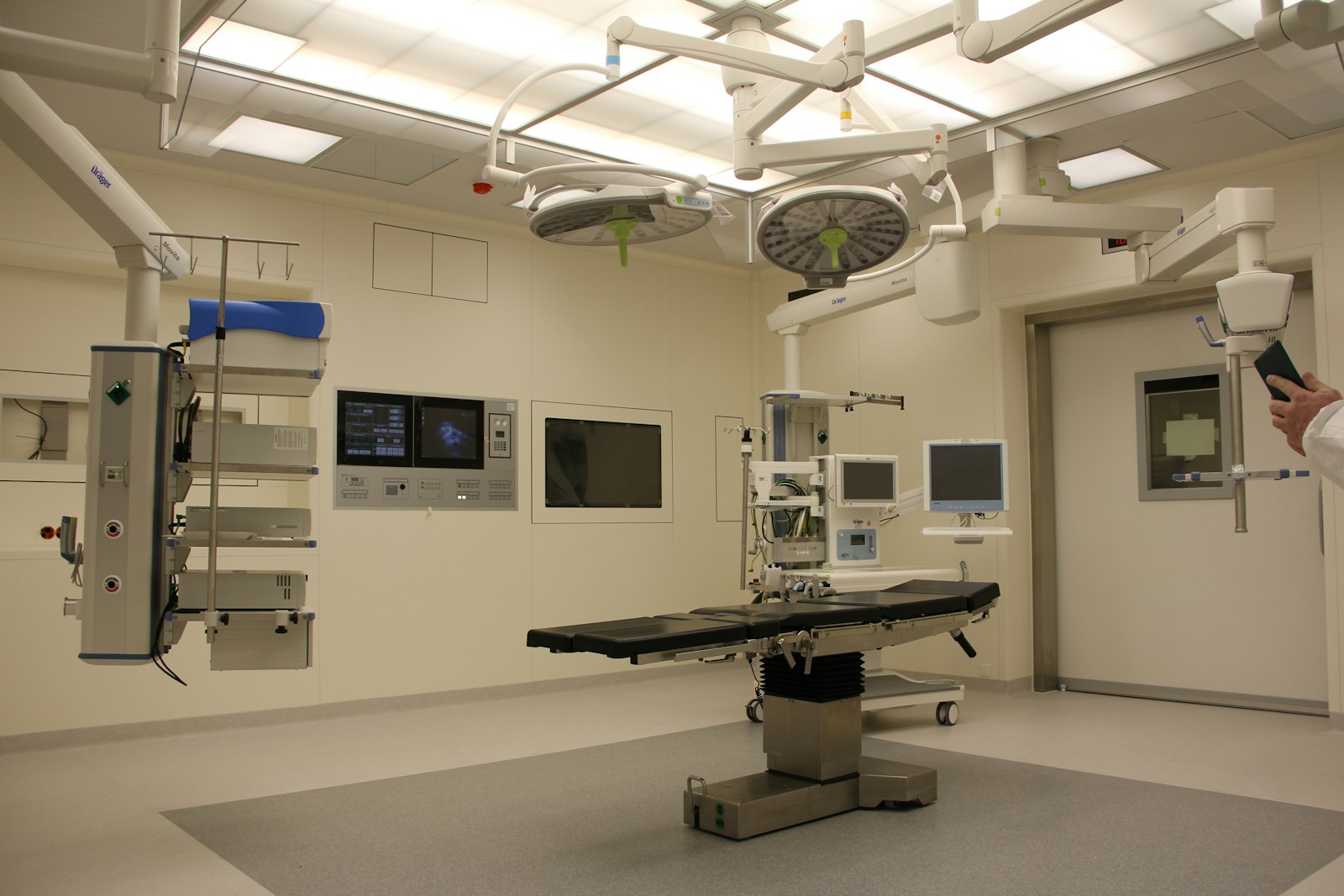
Virtual reality hypnosis eased anxiety during protective isolation in a small trial
AI-summarized from the linked source. Educational brief, not medical advice.
Brief summary
A small randomized trial found three daily virtual reality hypnosis sessions reduced anxiety more than a control activity among neutropenic adults in protective isolation, while pain scores remained low and similar.
What NurseJet pulled from the source
Sixty adults entering protective isolation were randomized to a 20-minute virtual reality hypnosis session or a control activity for three days. Anxiety questionnaires were scorable for 58 participants on day one, 40 on day two, and 30 on day three; mean anxiety reductions were 6.4 points with virtual reality hypnosis versus 1.9 points with control.
Why this matters for nurses
Oncology nurses address the emotional burden of prolonged isolation while preserving infection-prevention precautions. Virtual reality hypnosis may offer a structured nonpharmacologic support option for interested, appropriate patients.
Bedside takeaway
VR hypnosis may ease isolation-related anxiety when acceptable to the patient and compatible with infection-prevention precautions.
How This Applies in Practice
Use this when: Supporting an adult with neutropenia who is experiencing anxiety during protective isolation.
On your shift
- Assess anxiety, orientation, nausea, dizziness, visual or hearing needs, and willingness before offering the approved device.
- Prepare and handle the equipment within the unit's protective-isolation and device-cleaning workflow.
- Reassess anxiety and tolerance after the session and communicate persistent or worsening distress to the care team.
Key takeaways
- The open-label single-center trial randomized 60 neutropenic adults entering protective isolation.
- Anxiety decreased more after virtual reality hypnosis than after the control activity.
- Pain ratings were below 2 and did not differ between groups.
- Scorable anxiety data fell from 58 participants on day one to 30 on day three.
Practice implications
- Assess anxiety, symptoms, device tolerance, and contraindications before use; maintain all protective-isolation precautions during the session; and reassess distress afterward while continuing the broader supportive-care plan.
Limitations & cautions
- The study was open label, single center, and small. The number of participants with scorable anxiety data declined across the three days, pain was minimal at baseline, and the results do not establish durability or generalizability.
- AI-summarized from the linked source. Review the original article before applying to practice.
Citations
Exact source links
Public citations are filtered to exact credible source pages. Homepage-only or invalid links stay in admin review and are not shown here.
Supportive care in cancer (PubMed)
Supportive care in cancer (PubMed). Virtual reality hypnosis during protective isolation: a parallel group randomized trial.
https://pubmed.ncbi.nlm.nih.gov/42635826/
Professional education only