Intact-cord resuscitation improved a composite neonatal outcome in one very-preterm trial
AI-summarized from the linked source. Educational brief, not medical advice.
Brief summary
In a single-center randomized trial of 127 very preterm neonates needing delivery-room resuscitation, intact-cord resuscitation was associated with fewer composite events of in-hospital death, severe intraventricular hemorrhage, or bronchopulmonary dysplasia than conventional clamping.
What NurseJet pulled from the source
The open-label trial compared resuscitation with the cord intact until physiological placental expulsion with clamping within 30 to 60 seconds. The composite outcome occurred in 35.9% versus 60.3% of per-protocol participants, but the small single-center design means the strategy requires confirmation and protocol-level implementation rather than bedside extrapolation.
Why this matters for nurses
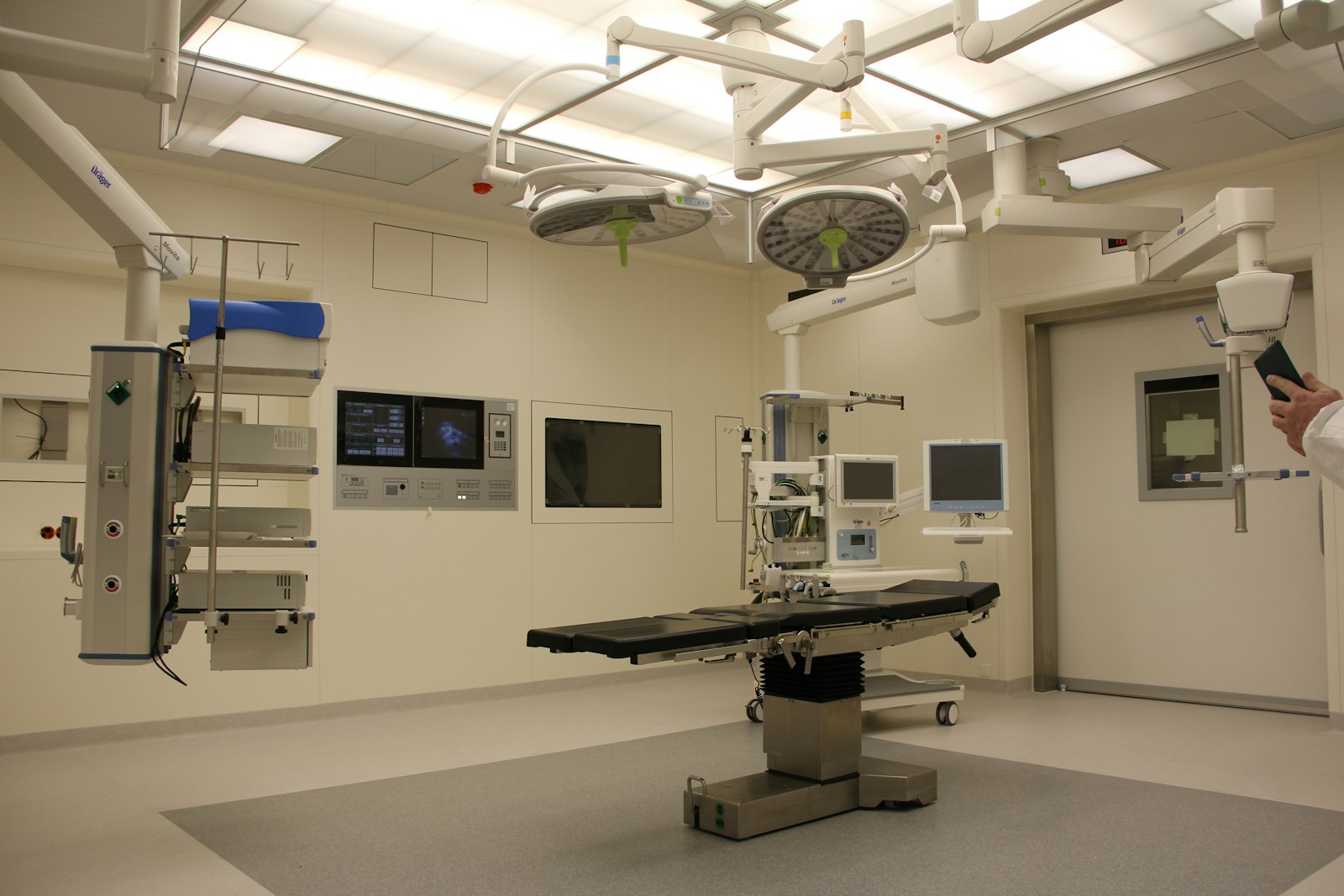
Neonatal and pediatric nurses coordinate thermal support, ventilation, oxygenation, monitoring, and team communication during stabilization of very preterm infants. The trial offers a clinically important signal while emphasizing that intact-cord resuscitation depends on a prepared multidisciplinary delivery-room pathway.
Bedside takeaway
Intact-cord resuscitation for very preterm infants requires a coordinated, protocol-defined delivery-room setup and further confirmation of benefit.
How This Applies in Practice
Use this when: Preparing for the delivery-room stabilization of a very preterm infant when an intact-cord resuscitation pathway is available.
On your shift
- Confirm the cord-management plan, eligible gestational range, equipment placement, warming strategy, monitoring setup, and assigned obstetric and neonatal roles during the pre-delivery briefing.
- Document cord-clamping timing, respiratory support, oxygenation, heart rate, temperature, and transition events using the neonatal resuscitation record.
- Escalate equipment, access, maternal, or neonatal concerns that make the planned pathway unsafe or infeasible before or during stabilization.
Key takeaways
- The per-protocol analysis included 127 neonates born at 26 weeks 0 days through 31 weeks 6 days who required delivery-room resuscitation.
- The composite of in-hospital mortality, severe intraventricular hemorrhage, or bronchopulmonary dysplasia occurred in 35.9% with intact-cord resuscitation and 60.3% with conventional clamping.
- Mortality was 26.6% versus 41.3%, and severe intraventricular hemorrhage was 9.4% versus 20.6%, respectively.
- Maternal safety outcomes were comparable between groups in this trial.
Practice implications
- For an anticipated very preterm birth, confirm the ordered cord-management and resuscitation plan, equipment position, role assignments, monitoring, and escalation route before delivery. Document timing, respiratory support, oxygenation, temperature, and transition findings according to the neonatal pathway.
Limitations & cautions
- This was a single-center, open-label trial with 127 neonates and a per-protocol analysis. The composite combined outcomes of different clinical importance, and the findings may not generalize to centers without the same equipment, staffing, obstetric coordination, or neonatal population.
- AI-summarized from the linked source. Review the original article before applying to practice.
Citations
Exact source links
Public citations are filtered to exact credible source pages. Homepage-only or invalid links stay in admin review and are not shown here.
European journal of pediatrics (PubMed)
European journal of pediatrics (PubMed). Effect of intact cord resuscitation versus conventional cord clamping on clinical outcomes in very preterm neonates: a randomized controlled trial from Eastern India.
https://pubmed.ncbi.nlm.nih.gov/42584505/
Professional education only