Randomized trial shows sole, trunk, and back rubs equally effective for neonatal tactile stimulation at birth
AI-summarized from the linked source. Educational brief, not medical advice.
Brief summary
A three-arm randomized controlled trial of 183 non-crying newborns found that tactile stimulation via sole, trunk, or back rubbing yielded equivalent 5-minute oxygen saturation levels and physiological transition without procedure-related adverse events.
What NurseJet pulled from the source
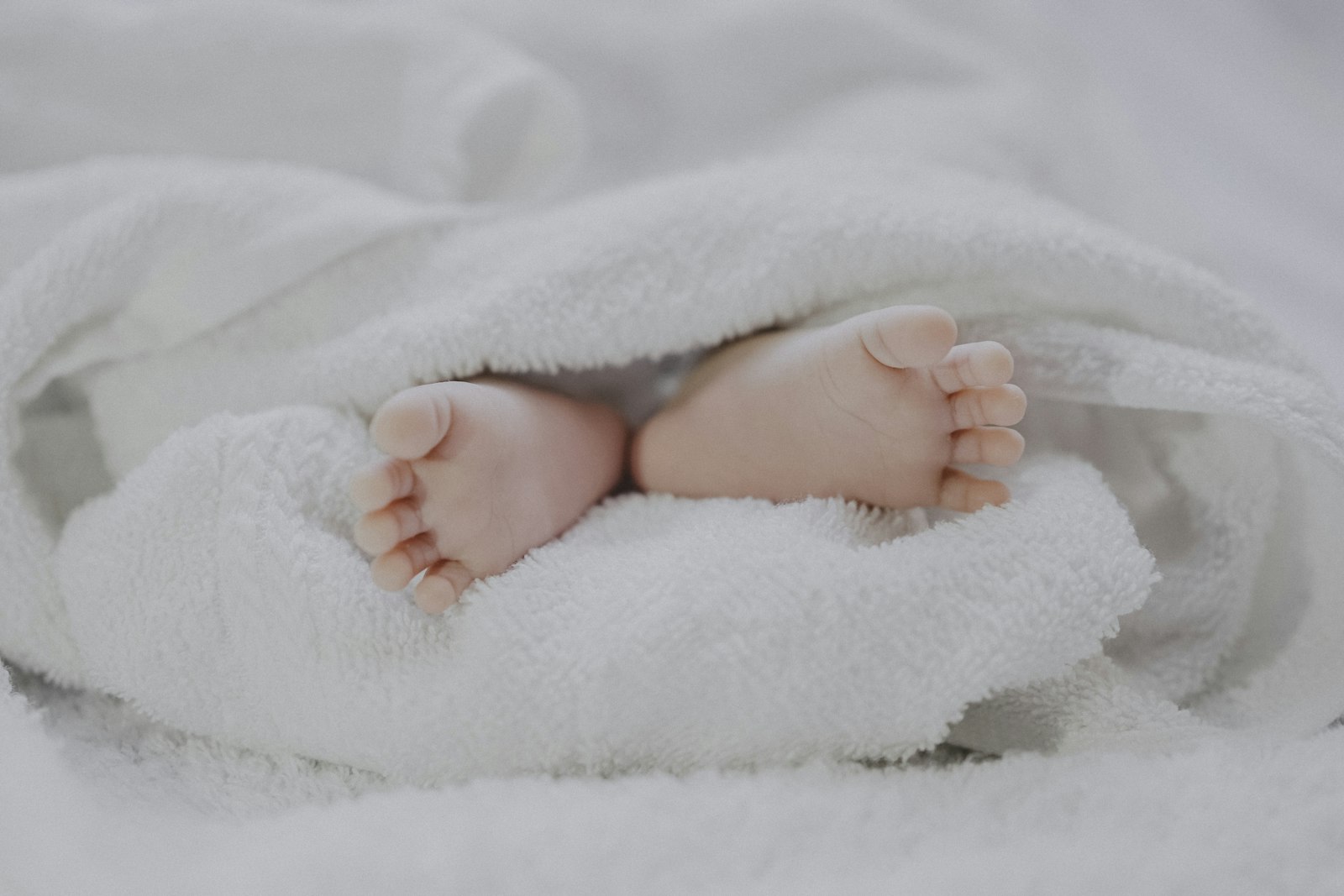
In a parallel-group trial of 183 infants born at >= 32 weeks' gestation who did not cry immediately at birth, neonates were randomized to receive 3-5 sole rubs (n = 60), trunk rubs (n = 60), or back rubs (n = 63). Mean 5-minute SpO2 was comparable across arms (83.1% ± 11.7% sole rub vs 85.4% ± 11.9% trunk rub vs 82.4% ± 14.8% back rub; p = 0.392), with no significant differences in heart rate trajectories, need for advanced resuscitation, cerebral oxygenation, or complications.
Why this matters for nurses
Delivery room, labor & delivery, and nursery nurses provide the initial stimulation to stimulate spontaneous breathing in transitioning newborns. Clinical teams often debate whether flicking soles, rubbing the trunk, or rubbing the back is superior. This randomized trial reassures nurses that gentle stimulation at any of these sites is equally physiologically effective.
Bedside takeaway
Gentle sole, trunk, and back rubs proved equally effective for stimulating non-crying newborns, achieving equivalent 5-minute oxygen saturations in a randomized trial.
Key takeaways
- Tactile stimulation site (sole, trunk, or back) produced equivalent 5-minute oxygen saturation in non-crying infants (83.1% vs 85.4% vs 82.4%; p = 0.392).
- Minute-by-minute heart rate, oxygenation trends, and time to first cry or grimace were comparable across all three stimulation approaches.
- Need for advanced delivery room resuscitation, supplementary oxygen, and 1-hour cerebral oxygenation did not differ between groups.
- Zero procedure-related complications or cutaneous injuries occurred across 183 randomized newborns receiving 3-5 gentle rubs.
Practice implications
- Deliver 3 to 5 gentle tactile rubs along the soles, trunk, or spine during initial drying and positioning. If spontaneous breathing or vigorous crying does not commence promptly, transition immediately to positive-pressure ventilation without delaying for repeated cycles of tactile stimulation.
Limitations & cautions
- The study was conducted at a single tertiary center and enrolled infants at >= 32 weeks' gestation, so findings may not directly generalize to extremely preterm infants under 32 weeks requiring specialized thermal resuscitation protocols.
- AI-summarized from the linked source. Review the original article before applying to practice.
Citations
Exact source links
Public citations are filtered to exact credible source pages. Homepage-only or invalid links stay in admin review and are not shown here.
Resuscitation (PubMed)
Resuscitation (PubMed). Optimal site of tactile stimulation during initial steps of neonatal resuscitation: a three-arm randomized controlled trial.
https://pubmed.ncbi.nlm.nih.gov/42361894/
Professional education only